What to Look For
A month-by-month guide to what's blooming, fruiting, and changing in New England.
March — Spring
2 things to look for this month
Emerging Leaves
Fresh foliage unfurling on trees, shrubs, and herbs
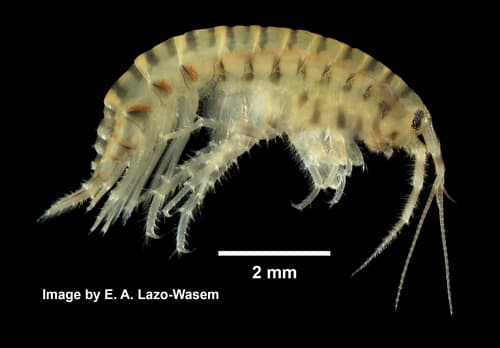
Gammarus fasciatus
Gammarus fasciatus
Most active as water temperatures warm, often found in large numbers under stones in shallow stream margins. This is when they're easiest to spot as they emerge from winter hiding spots.
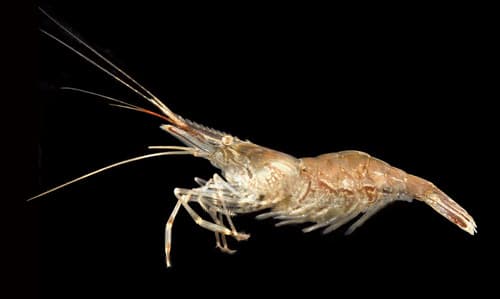
Marsh Grass Shrimp
Palaemon vulgaris
Shrimp become more active as waters warm, with young juveniles appearing in shallow areas. This is when you'll start seeing them in tidal pools and marsh edges again.
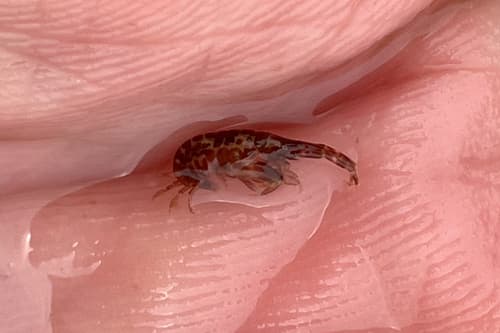
Marbled Scud
Jassa marmorata
Active reproduction begins, and you may notice fresh tube construction as populations expand. Look for new, lighter-colored tubes among the established colonies.
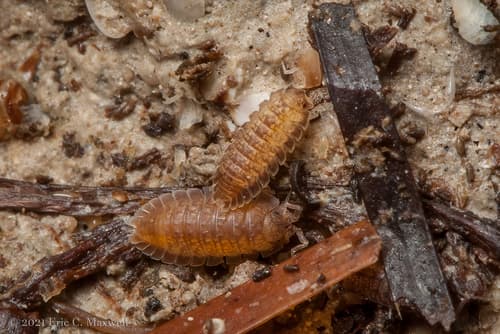
Common Driftclinger
Armadilloniscus ellipticus
Most active as warming temperatures bring them out from winter hiding spots. Look under freshly deposited storm debris and driftwood.
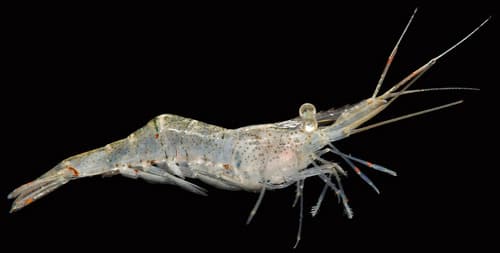
Eastern Grass Shrimp
Palaemon paludosus
Most active as waters warm, with adults becoming more visible in shallow areas. Peak breeding season begins, making them easier to spot in large numbers.
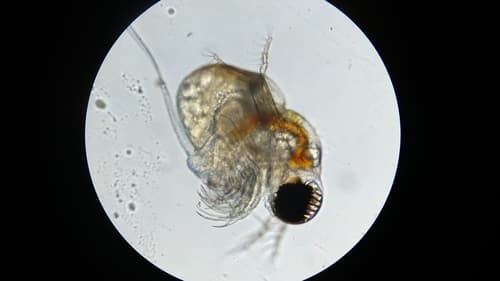
Polyphemus pediculus
Polyphemus pediculus
Populations begin to increase as water temperatures warm, making this a good time to find them in shallow areas that are warming up first.
Tree Catkins & Pollen
Trees releasing pollen via dangling catkins
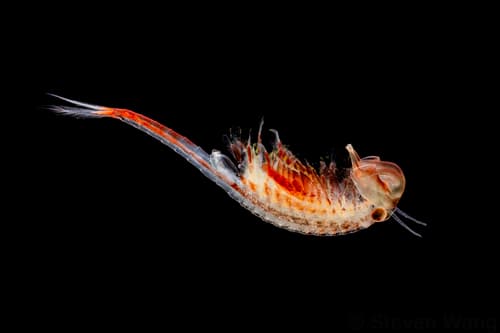
Knobbedlip Fairy Shrimp
Eubranchipus bundyi
Most active and visible from March through May when temporary pools are full of snowmelt. Adults are swimming, mating, and laying drought-resistant eggs.
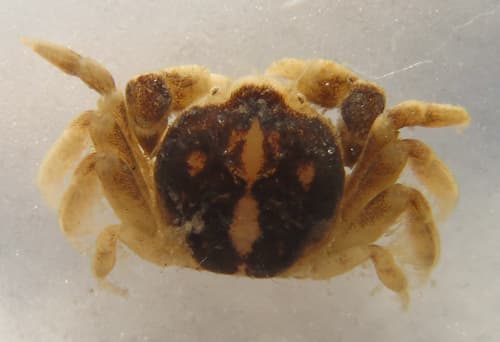
Squatter Pea Crab
Tumidotheres maculatus
Active inside host mollusks as waters warm. This is when you're most likely to find them while collecting shellfish during low tides.
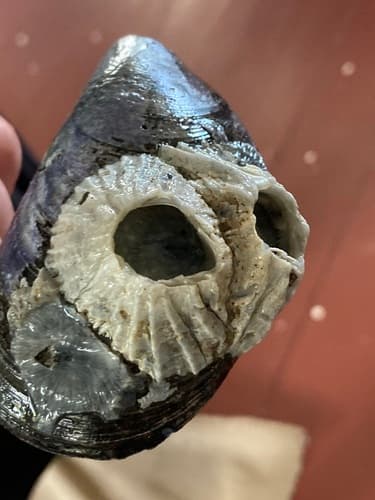
rough barnacle
Balanus balanus
Adults become more active as water temperatures rise, extending their feeding appendages more frequently during high tide.