What to Look For
A month-by-month guide to what's blooming, fruiting, and changing in New England.
March — Spring
2 things to look for this month
Spring Wildflowers
Wildflowers emerging and blooming across New England
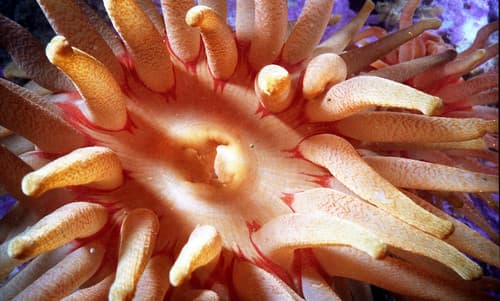
Cribrinopsis similis
Cribrinopsis similis
Most active as waters begin to warm, with tentacles fully extended for feeding. This is when they're easiest to spot and photograph with full tentacle display.
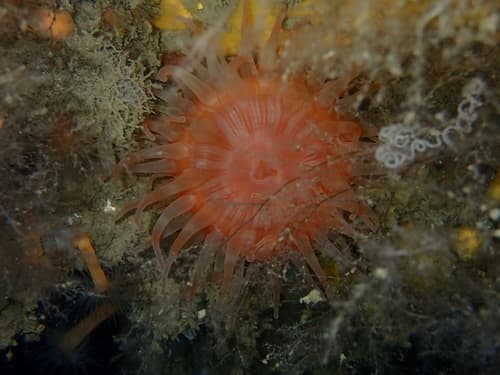
Swimming Anemone
Stomphia coccinea
Active in cold spring waters as marine life becomes more active. Best time for diving observations as water begins to warm slightly.
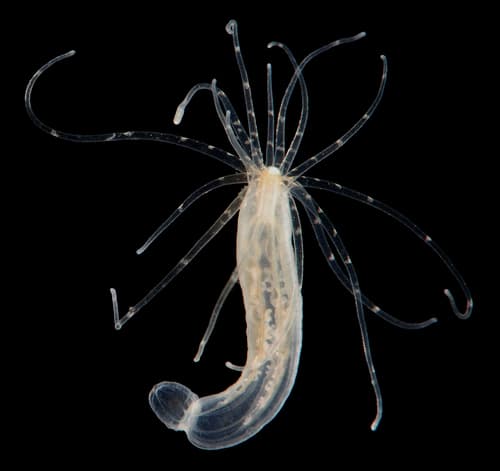
Starlet anemone
Nematostella vectensis
Most active as waters warm up, with tentacles more frequently extended for feeding as plankton populations increase.
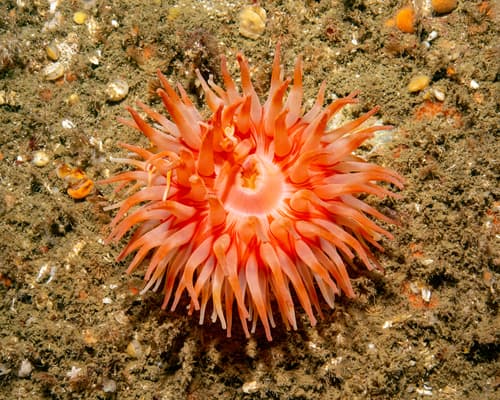
Christmas Anemone
Urticina crassicornis
Most active and fully expanded as water temperatures begin to warm, making this an excellent time for observation during low tides when they're exposed and feeding.
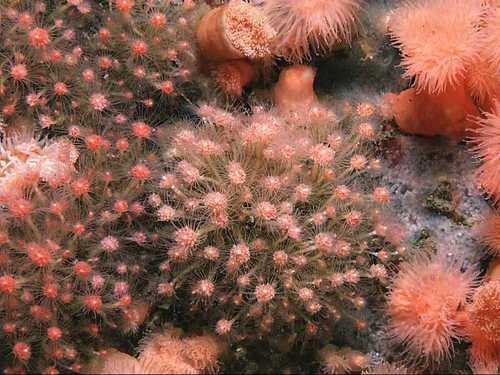
Organ Pipe Hydroid
Ectopleura larynx
Colonies begin active growth and reproduction as water temperatures rise, with polyps becoming more active and visible.
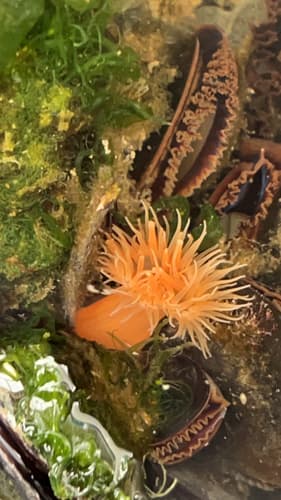
Diadumene cincta
Diadumene cincta
Orange anemones become more active as water temperatures rise, with tentacles fully extended for feeding during calm weather and incoming tides.
Emerging Leaves
Fresh foliage unfurling on trees, shrubs, and herbs
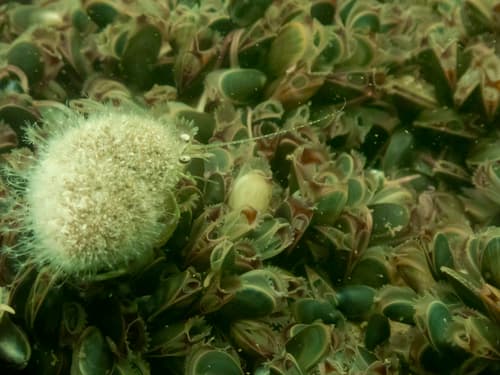
Snail Fur
Hydractinia echinata
Colonies begin active growth as water temperatures rise, with polyps extending fully and appearing most 'furry' during feeding.
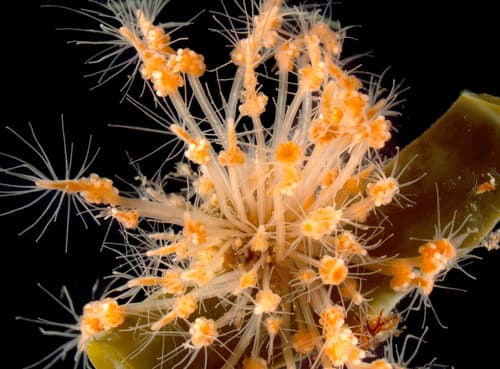
Clava multicornis
Clava multicornis
Colonies begin active growth as water temperatures rise, with new polyps budding from the colonial runners. This is when they're most easily spotted as they expand their coverage.
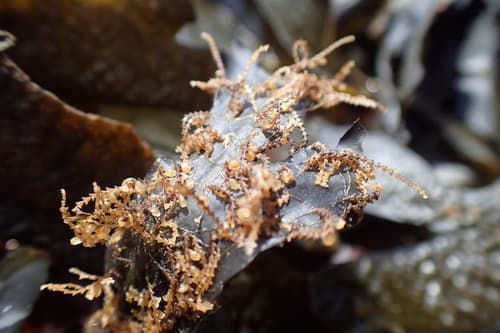
garland hydroid
Dynamena pumila
Colonies begin active growth as water temperatures rise, with new branches appearing and polyps becoming more active in feeding.
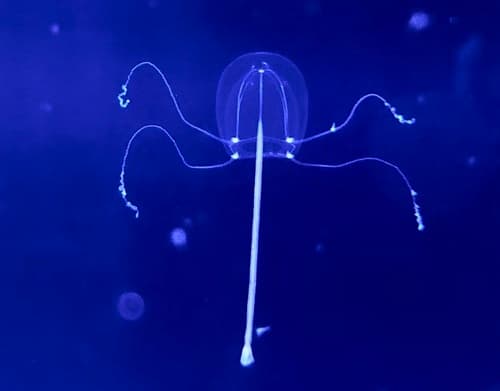
Sarsia tubulosa
Sarsia tubulosa
Adult medusae begin appearing in coastal waters as temperatures start to rise, though still quite rare to spot.
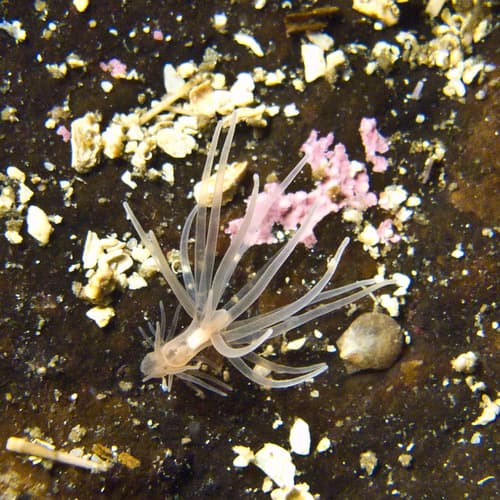
Gonactinia prolifera
Gonactinia prolifera
Colonies become more active as water temperatures rise, with tentacles more frequently extended for feeding. Good time to observe their colonial structure as they expand after winter dormancy.
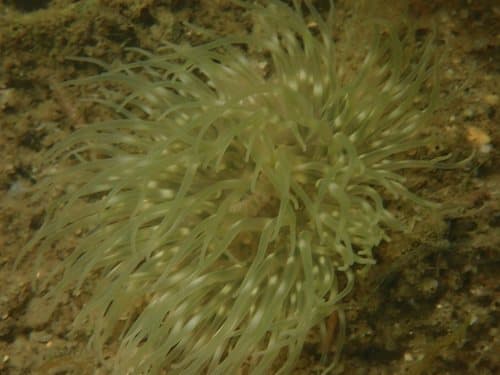
Actinothoe modesta
Actinothoe modesta
Becomes more active as water temperatures rise, with tentacles extended more frequently during calm weather and incoming tides.