What to Look For
A month-by-month guide to what's blooming, fruiting, and changing in New England.
September — Fall
3 things to look for this month
Fall Color
Spectacular autumn foliage across New England
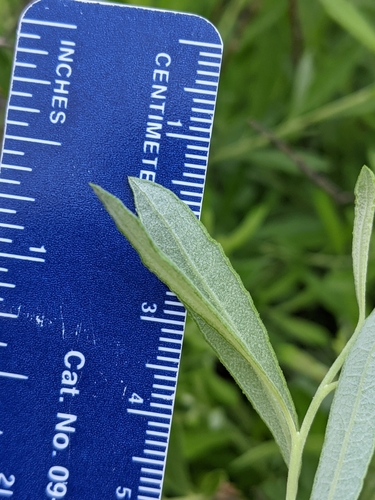
Prairie Willow
Salix humilis
Leaves turn yellow before dropping, revealing the shrub's branching structure. The plant begins to enter dormancy as temperatures cool.
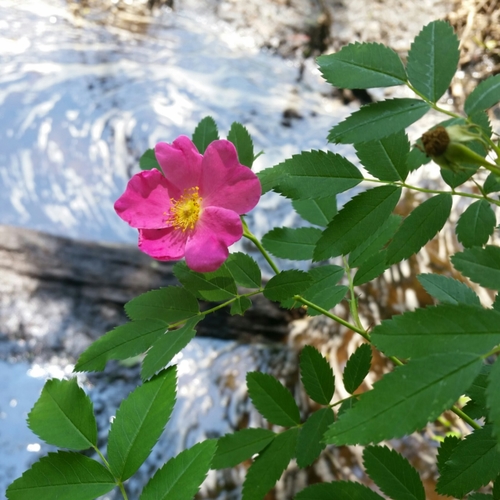
Carolina rose
Rosa carolina
Rose hips ripen to bright red and leaves may turn yellow to reddish before dropping. The colorful hips become prominent as foliage fades.
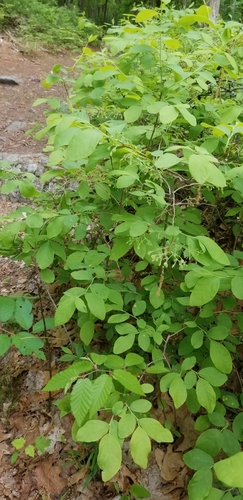
dangleberry
Gaylussacia frondosa
Leaves may turn attractive fall colors before dropping. Any remaining berries become especially noticeable and are eagerly consumed by wildlife.
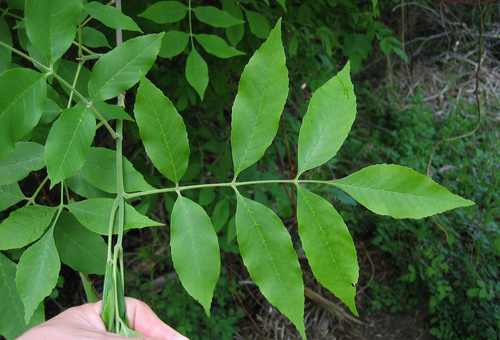
green ash
Fraxinus pennsylvanica
Leaves turn yellow (sometimes with hints of brown) before dropping, and the winged seeds ripen and begin falling, spinning like helicopter blades. Seeds are most noticeable and diagnostic in early ...
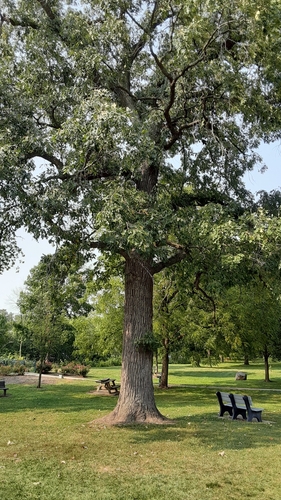
bur oak
Quercus macrocarpa
Leaves turn yellow to brown, sometimes with orange tints, before dropping. The massive acorns ripen and fall, making this the best time to spot the diagnostic huge nuts with their mossy caps.
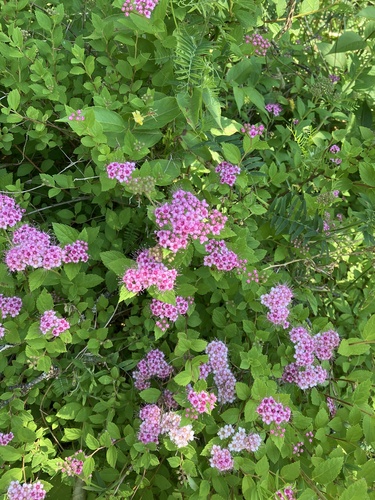
Japanese Spirea
Spiraea japonica
Leaves may turn yellow to reddish-orange before dropping, and dried flower clusters remain visible as small brown seed heads.
Berries & Fruit
Late-season berries and fruit ready for harvest or wildlife
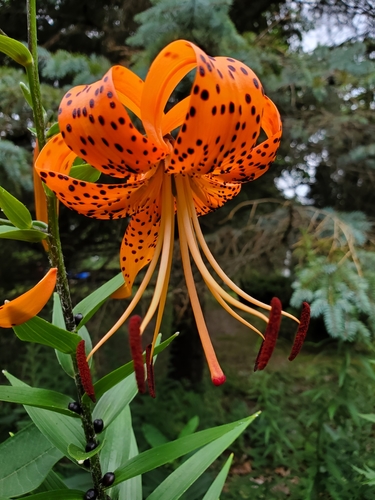
tiger lily
Lilium lancifolium
Flowers fade and seed capsules develop, while the bulbils in leaf joints ripen and may drop to start new plants. Stems begin to yellow and die back.
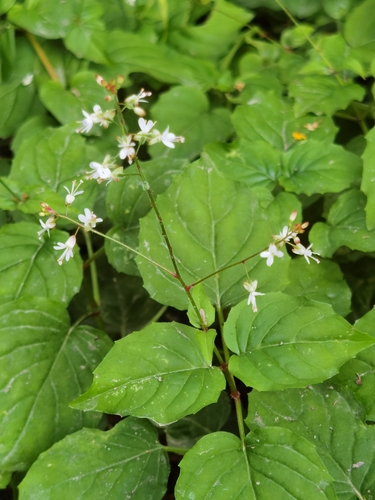
Alpine Enchanter's-nightshade
Circaea alpina
Fruits ripen into small, bristly seed pods that cling to passing animals and clothing. Leaves may develop subtle yellow tints before dying back.
Carolina rose
Rosa carolina
Rose hips ripen to bright red and leaves may turn yellow to reddish before dropping. The colorful hips become prominent as foliage fades.
dangleberry
Gaylussacia frondosa
Leaves may turn attractive fall colors before dropping. Any remaining berries become especially noticeable and are eagerly consumed by wildlife.
bur oak
Quercus macrocarpa
Leaves turn yellow to brown, sometimes with orange tints, before dropping. The massive acorns ripen and fall, making this the best time to spot the diagnostic huge nuts with their mossy caps.
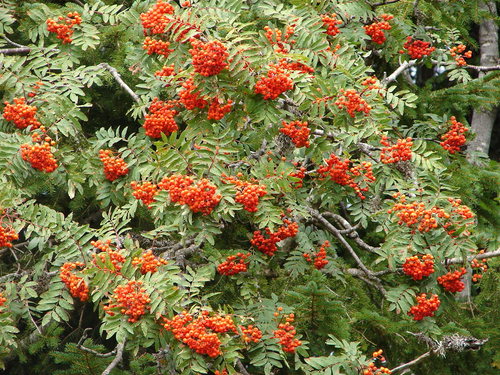
European mountain ash
Sorbus aucuparia
Leaves turn yellow to orange-red before dropping, while the spectacular orange-red berry clusters reach peak ripeness and attract flocks of birds.
Seeds & Nuts
Trees and plants releasing seeds for the next generation
tiger lily
Lilium lancifolium
Flowers fade and seed capsules develop, while the bulbils in leaf joints ripen and may drop to start new plants. Stems begin to yellow and die back.
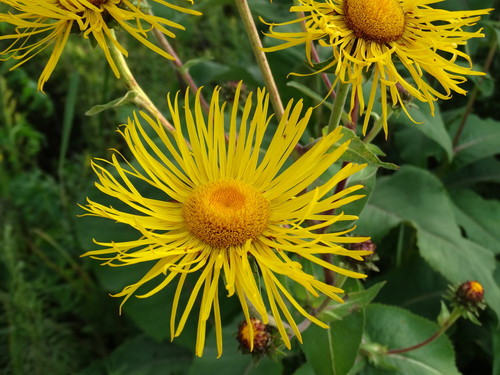
Elecampane
Inula helenium
Flowers fade to fluffy seed heads that persist into early fall, while leaves begin to yellow and die back to the ground after first frost.
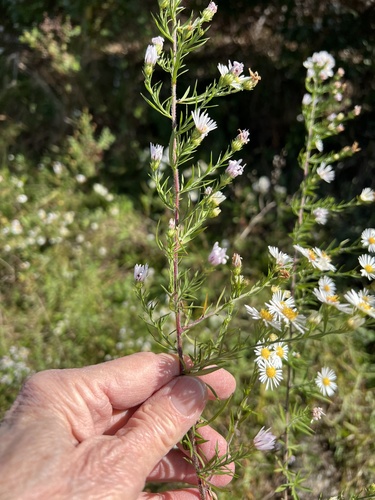
hairy white oldfield aster
Symphyotrichum pilosum
Peak blooming season from late August through October, creating spectacular white displays that can last well into November. Seeds develop and disperse in late fall.
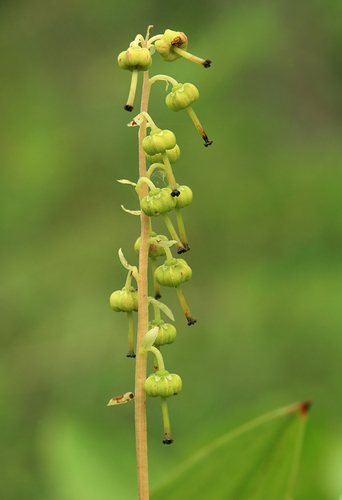
one-sided wintergreen
Orthilia secunda
Seed capsules mature and split open. Leaves remain green and visible as deciduous trees lose their foliage overhead.
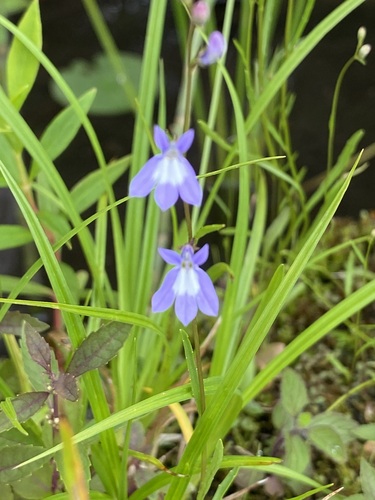
Kalm's Lobelia
Lobelia kalmii
Flowers fade and seed capsules mature, splitting open to release seeds. The plant begins to die back as temperatures cool.
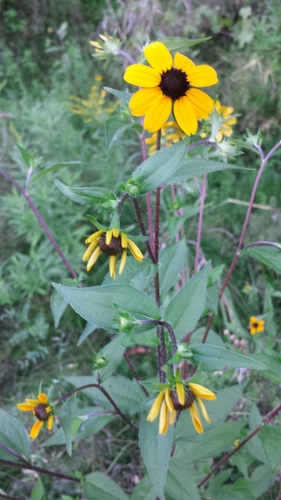
brown-eyed Susan
Rudbeckia triloba
Flowers continue blooming into early fall, with seed heads developing and turning brown. Seeds ripen and disperse, while foliage begins to decline as temperatures drop.