Monthly Field Guide
What to look for each month across all groups — based on real observation data from New England.
November — Fall
420 species across 15 groups · 95,296 observations · 80 new this month

Plants
30 species · 27,841 observations
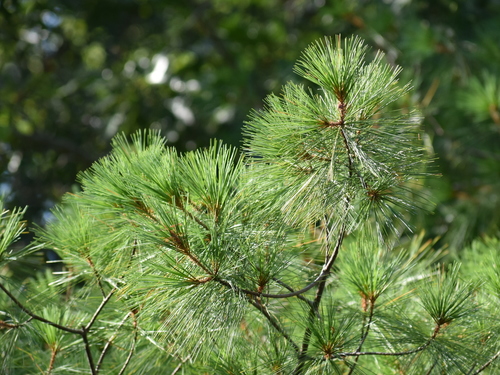
eastern white pine
Pinus strobus
2,757 obs
Older needles (2-3 years old) turn yellow and drop, which is normal - don't worry, your white pine isn't dying! New cones begin forming and older cones mature to brown.
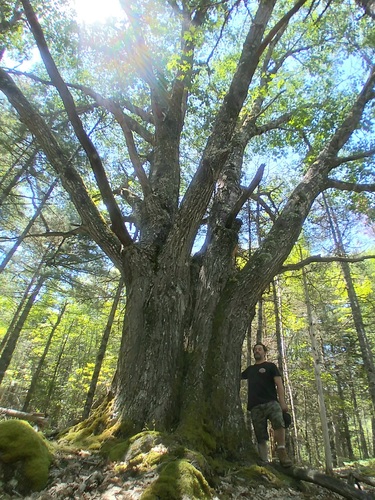
northern red oak
Quercus rubra
1,650 obs
Leaves turn spectacular shades of red, orange, and brown, making this one of New England's premier fall foliage trees. Mature acorns fall during September and October.

American beech
Fagus grandifolia
1,556 obs
Leaves turn golden bronze to copper, often holding their color longer than other trees. Spiny husks split open to release triangular beechnuts that wildlife eagerly collect.
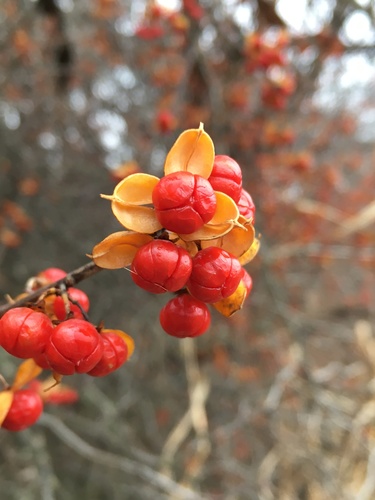
Asian bittersweet
Celastrus orbiculatus
1,533 obs
The spectacular orange and red fruit display peaks in October and November, while leaves turn bright yellow before dropping - fruit persists after leaves fall.

eastern hemlock
Tsuga canadensis
1,369 obs
Cones mature and turn brown, beginning to open and release seeds. The evergreen needles provide beautiful contrast to surrounding fall foliage.
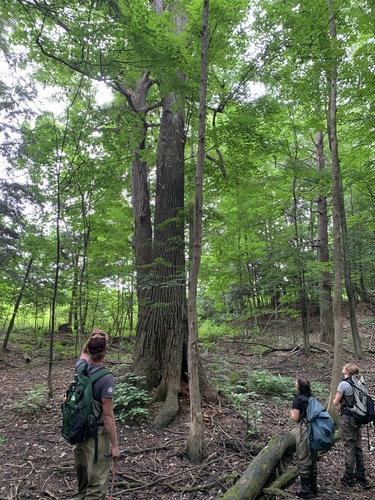
white oak
Quercus alba
1,289 obs
Leaves turn beautiful shades of red, brown, and russet, and acorns ripen and fall. Fall color can be spectacular and long-lasting.
Birds
30 species · 25,682 observations
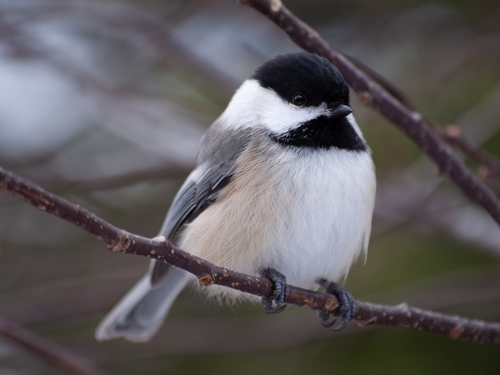
Black-capped Chickadee
Poecile atricapillus
1,744 obs
They join mixed flocks with nuthatches, woodpeckers, and other small birds, and you'll notice them frantically caching seeds and insects in tree bark crevices for winter storage.

Red-tailed Hawk
Buteo jamaicensis
1,340 obs
Migration season brings northern red-tails through New England, though many are year-round residents. Juvenile birds show brown, banded tails instead of red – they won't get their signature red tai...
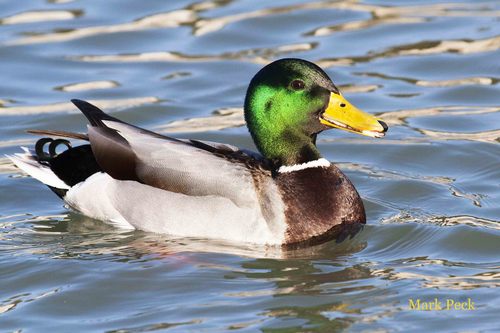
Mallard
Anas platyrhynchos
1,327 obs
Large flocks gather as northern migrants join year-round residents, and males begin molting back into their handsome breeding colors with fresh, bright plumage emerging.

Blue Jay
Cyanocitta cristata
1,213 obs
Most visible season as they busily collect and cache acorns and nuts for winter storage, often seen making multiple trips to bury food treasures.

Dark-eyed Junco
Junco hyemalis
1,205 obs
Migration brings increasing numbers to New England as northern birds move south, and they begin appearing at backyard feeders in growing flocks.

Downy Woodpecker
Dryobates pubescens
1,141 obs
Begin visiting bird feeders more regularly as natural food becomes scarcer. Their calls become less frequent as breeding activities wind down.
Mammals
30 species · 10,606 observations
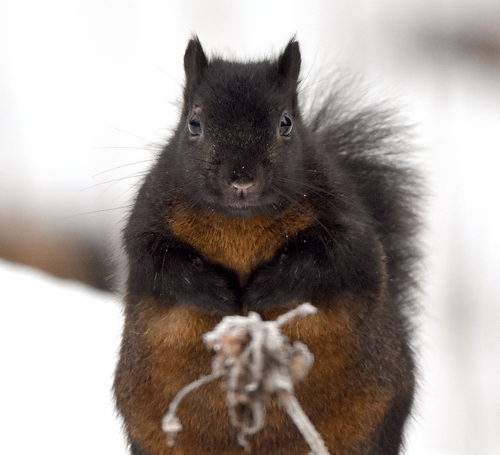
Eastern Gray Squirrel
Sciurus carolinensis
2,356 obs
Hyperactive gathering mode as they collect and bury nuts for winter storage. You'll see them constantly on the move, cheeks bulging with acorns. Their memory for cache locations is remarkable durin...
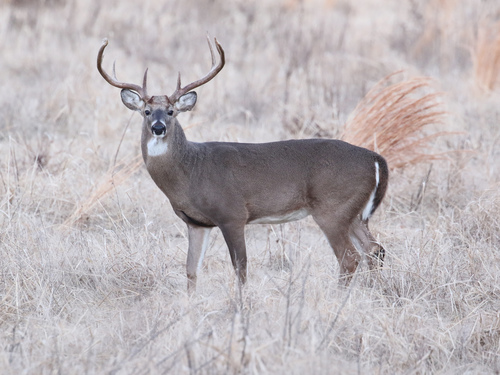
White-tailed Deer
Odocoileus virginianus
2,054 obs
Breeding season brings dramatic behavior changes — bucks become bold and aggressive, their necks swell with muscle, and they make scrapes in the ground that smell musky. Coats begin turning gray-br...
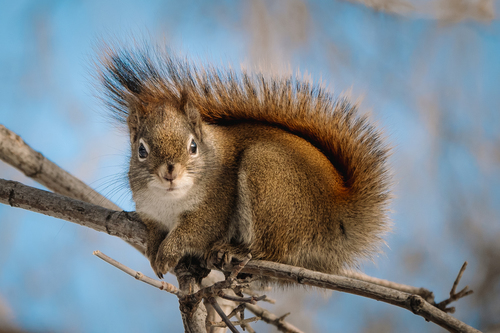
American Red Squirrel
Tamiasciurus hudsonicus
642 obs
Frenzied cone harvesting activity with constant chattering. Middens grow rapidly as they prepare for winter storage.
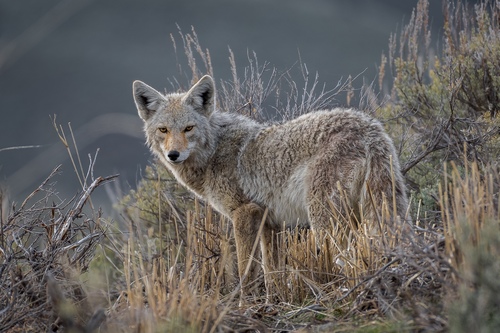
Coyote
Canis latrans
590 obs
Dispersing young may be seen traveling alone, appearing inexperienced and less wary than adults. Their winter coat begins growing in, making them appear fuller and more grizzled gray in color.

American Beaver
Castor canadensis
523 obs
Busy storing branches underwater near their lodges for winter food. You'll see the most tree-cutting activity and fresh wood chips as they prepare for cold months.
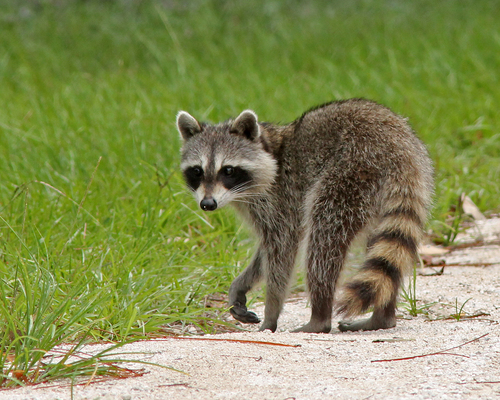
Common Raccoon
Procyon lotor
432 obs
Raccoons bulk up dramatically for winter, sometimes doubling their weight. Their fur becomes noticeably thicker and more luxurious. Increased activity around food sources like fruit trees and garba...
Fungi
30 species · 9,597 observations

Late Oyster
Sarcomyxa serotina
761 obs
Prime season begins in late fall when temperatures drop. Fresh, actively growing clusters appear on dead hardwood as other mushroom species fade away.
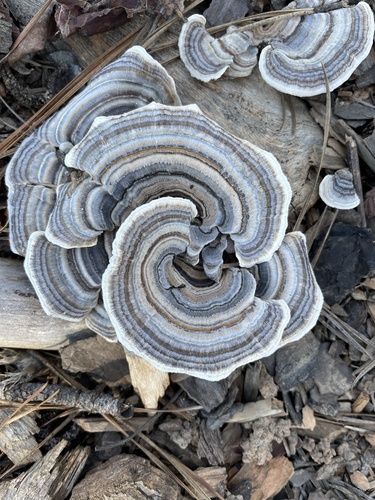
turkey-tail
Trametes versicolor
746 obs
Peak season for finding fresh, beautiful specimens as fall moisture returns. Many brackets from earlier in the year remain visible but become tougher.

Orange Jelly Spot
Dacrymyces chrysospermus
663 obs
Peak season for Orange Jelly Spot as autumn moisture returns. Cool, damp conditions create ideal growing weather and specimens are most abundant.
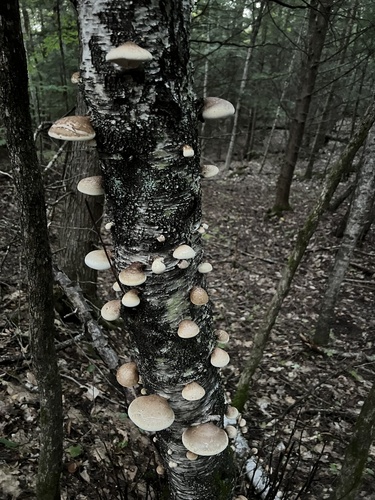
birch polypore
Fomitopsis betulina
629 obs
Brackets continue growing and may develop stronger brown coloration. This is when many become most visible as leaves drop and expose the tree trunks.
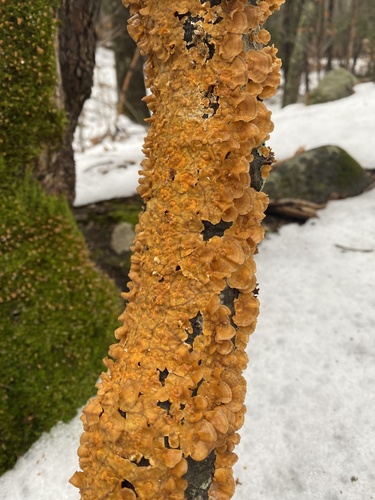
crowded parchment
Stereum complicatum
488 obs
Brackets reach maturity and begin hardening, becoming more papery and brittle as moisture levels drop.
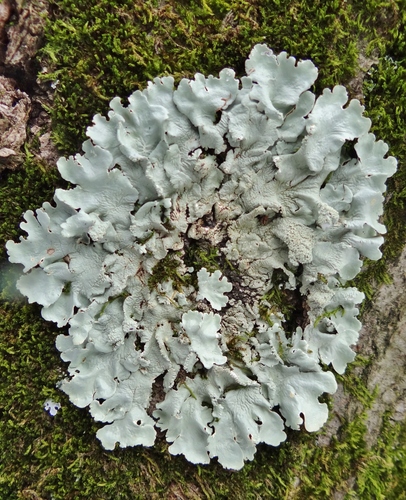
common greenshield lichen
Flavoparmelia caperata
480 obs
Remains visible and identifiable as leaves drop, often becoming more prominent on tree trunks. Color shifts between yellow-green and bright green with autumn rains.
Insects
30 species · 7,816 observations
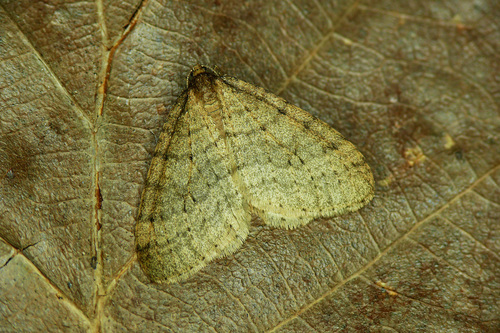
Winter Moth
Operophtera brumata
1,115 obs
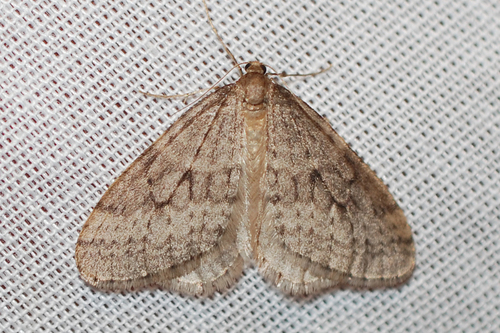
Bruce Spanworm Moth
Operophtera bruceata
970 obs
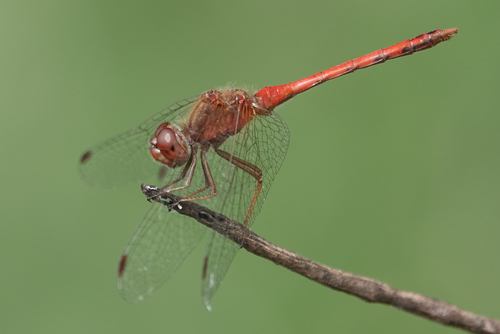
Autumn Meadowhawk
Last chanceSympetrum vicinum
866 obs
Peak activity time when mature red males are most visible, actively mating and laying eggs. They remain active well into October, often the last dragonflies you'll see before winter.

Asian Lady Beetle
Harmonia axyridis
813 obs
Large numbers gather on warm, sunny surfaces preparing for winter - this is when they're most noticeable and likely to enter homes. Peak 'Halloween beetle' season in October.
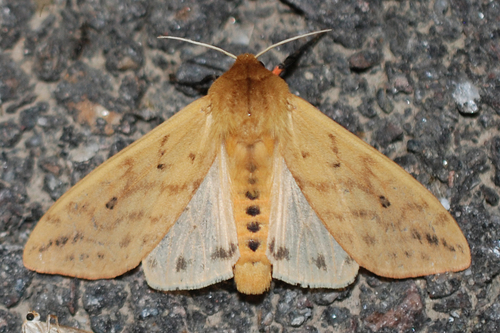
Isabella Tiger Moth
Pyrrharctia isabella
490 obs
Peak time to see woolly bear caterpillars as they become fully grown and wander across roads, sidewalks, and open areas searching for protected overwintering sites. This is when most people encount...
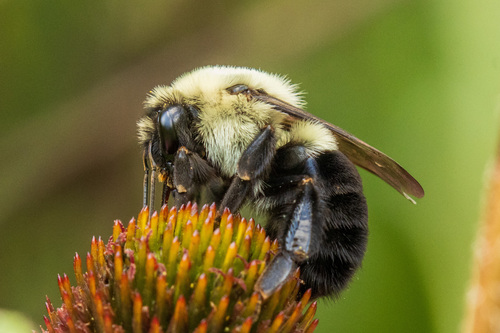
Common Eastern Bumble Bee
Last chanceBombus impatiens
410 obs
New queens and males emerge for mating flights, so you might see larger individuals again. Workers continue foraging on late-season flowers like asters and goldenrod until the first hard frosts.

Lichens
30 species · 3,372 observations
common greenshield lichen
Flavoparmelia caperata
480 obs
Remains visible and identifiable as leaves drop, often becoming more prominent on tree trunks. Color shifts between yellow-green and bright green with autumn rains.
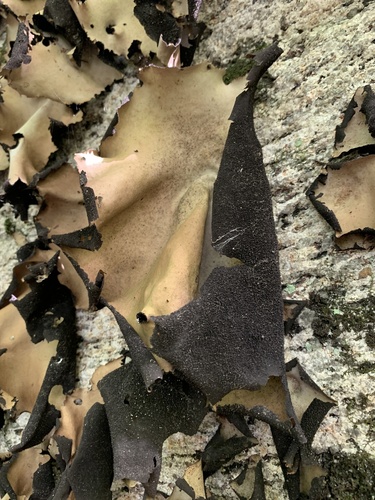
Smooth Rock Tripe
Umbilicaria mammulata
289 obs
Cool, moist fall conditions bring out the best coloration and flexibility, making it an ideal time for identification and photography as the lichen darkens and becomes more prominent against the rock.
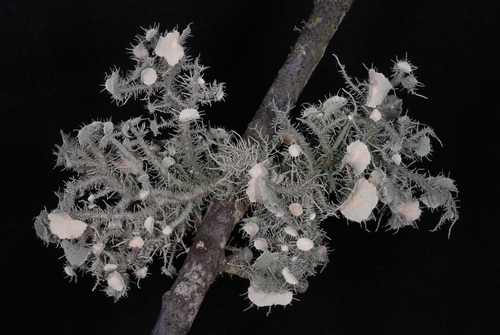
Bushy beard lichen
Usnea strigosa
216 obs
Stands out beautifully against colorful autumn foliage, remaining constant while the tree's leaves change and drop. Often becomes more visible as deciduous trees lose their leaves.
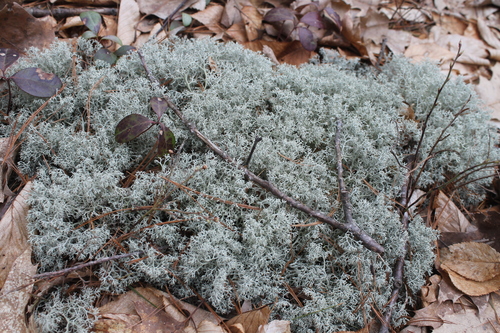
gray reindeer lichen
Cladonia rangiferina
188 obs
Takes on a subtle warmth in color as autumn light filters through, and increased moisture from fall rains makes it more supple to the touch.
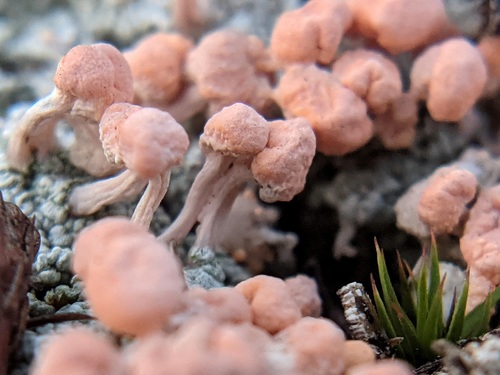
Pink Earth Lichen
Dibaeis baeomyces
173 obs
Often produces a fresh flush of bright pink fruiting bodies in the cooler, moister conditions. The contrast against fallen leaves makes identification easier.
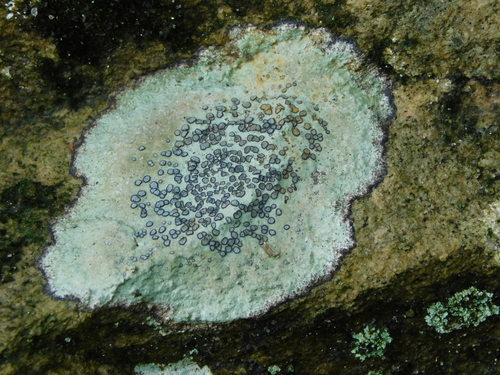
Smokey-eyed Boulder Lichen
Porpidia albocaerulescens
164 obs
Increased moisture makes the lichen more vibrant and easier to spot against autumn-colored surroundings. The contrast between the smokey discs and lighter body is most pronounced.
Mollusks
30 species · 2,824 observations
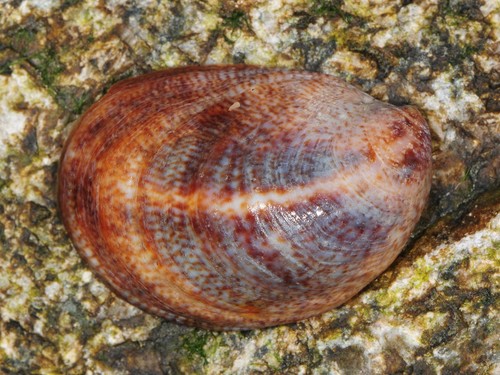
Common Atlantic Slippersnail
Crepidula fornicata
334 obs
Still active but preparing for winter. Good time to find shells as autumn storms may wash specimens ashore.
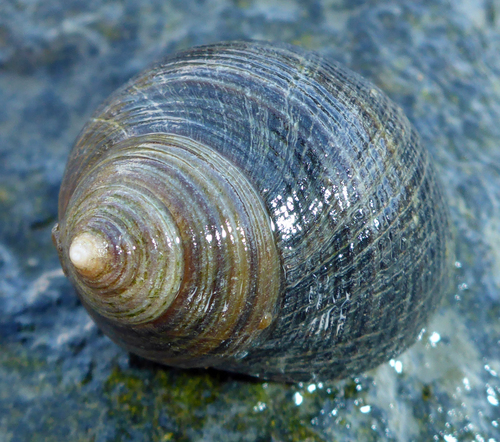
Common Periwinkle
Littorina littorea
278 obs
Still active but beginning to cluster more tightly in crevices. Shell colors often appear most vibrant after summer algae growth.
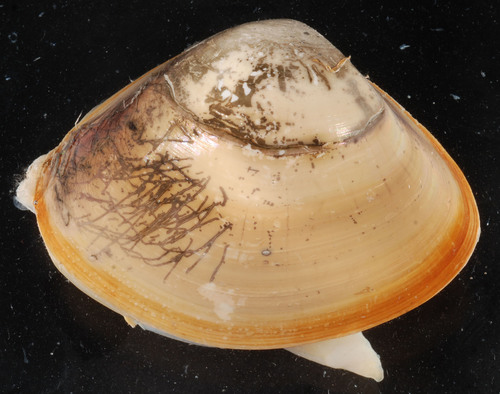
West Atlantic Surfclam
Spisula solidissima
183 obs
Excellent season for shell collecting as fall storms create ideal conditions for shells to wash up. Shells found now may be bleached white from summer sun exposure.

Eastern Oyster
Crassostrea virginica
180 obs
Oysters are at their fattest and most flavorful as they prepare for winter, making this prime harvesting season. Shell growth slows as water temperatures drop.
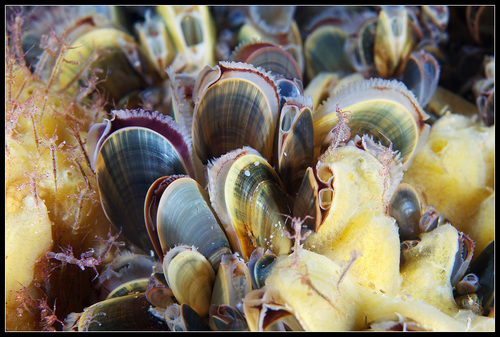
Blue Mussel
Mytilus edulis
158 obs
Mussels continue growing rapidly, adding new shell material before winter. Storm activity increases, washing more empty shells onto beaches for easy collecting and identification.
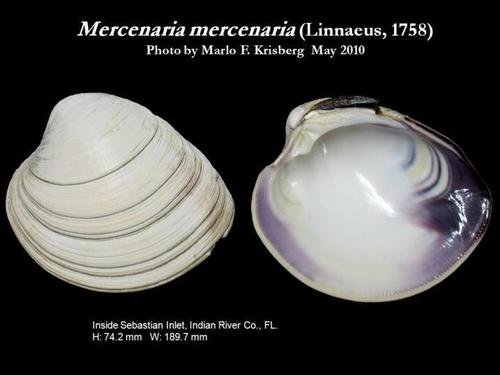
Northern Quahog
Mercenaria mercenaria
144 obs
Still active and commonly harvested through autumn, with shells continuing to wash ashore after fall storms provide good beachcombing opportunities.
Crustaceans
30 species · 2,043 observations
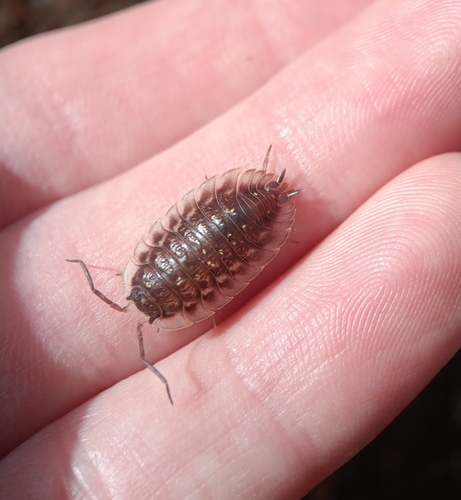
Common Shiny Woodlouse
Oniscus asellus
304 obs
Still quite active as they prepare for winter, often found in large groups under the same log or stone. They're gathering in the dampest, most protected spots they can find.
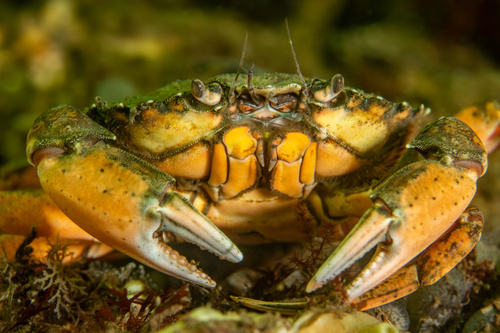
European Green Crab
Carcinus maenas
295 obs
Still very active but beginning to move to deeper waters. Great time for observation as they're often foraging heavily before winter.

Atlantic Rock Crab
Cancer irroratus
209 obs
Still active but beginning to move to deeper waters. Fall storms may wash some individuals into unusual intertidal spots where they're easier to find.
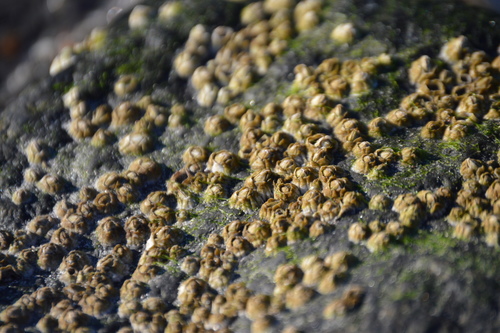
Northern Acorn Barnacle
Semibalanus balanoides
140 obs
Adults continue feeding to build energy reserves for winter, and you may notice some barnacles beginning to look more weathered from summer wave action.
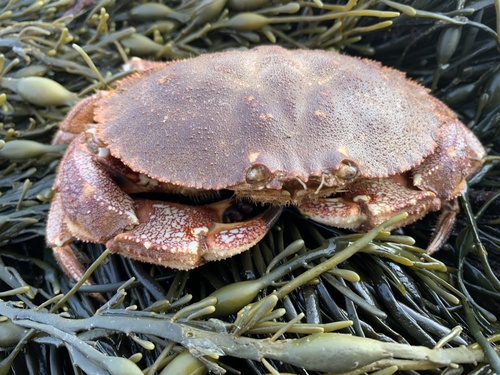
Jonah Crab
Cancer borealis
134 obs
Crabs begin moving to deeper waters as temperatures drop. Larger specimens may still be found in protected tide pools and under rocks during extreme low tides.
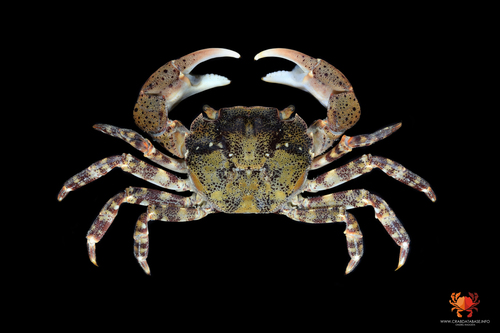
Asian Shore Crab
Hemigrapsus sanguineus
133 obs
Still very active but beginning to move to slightly deeper water. Great time to spot them as they're often fattening up before winter.
Arachnids
30 species · 1,953 observations

Eastern Black-legged Tick
Ixodes scapularis
262 obs
Adult ticks are active again in cooler fall weather, seeking final blood meals before winter, often found on deer and other large mammals.
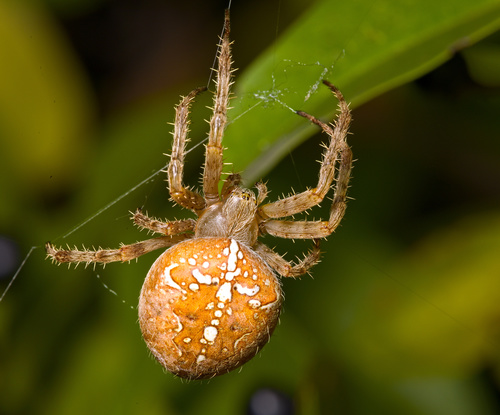
Cross Orbweaver
Araneus diadematus
145 obs
Mating season brings males wandering in search of females. Females create egg sacs and their webs may appear more tattered as they focus energy on reproduction.
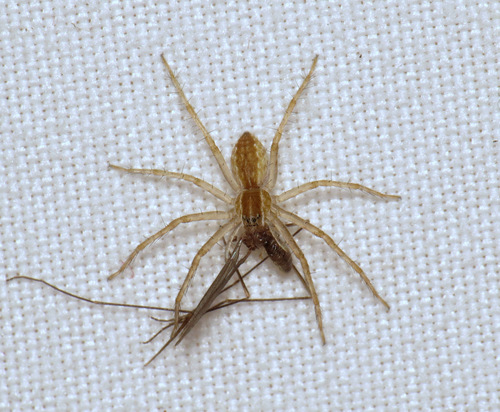
American Nursery Web Spider
Pisaurina mira
107 obs
Spiderlings disperse from nursery webs and adults continue hunting until first frost. Late fall is when you might spot the last generation of young spiders establishing territories.
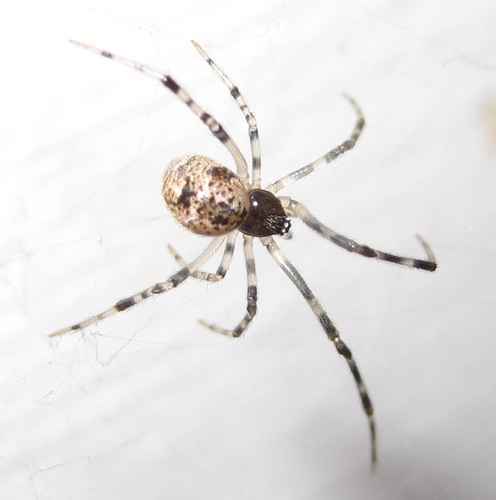
Common House Spider
Parasteatoda tepidariorum
96 obs
Adults continue to be active but may become less visible as they prepare for winter. Late-season egg sacs are laid that will overwinter.
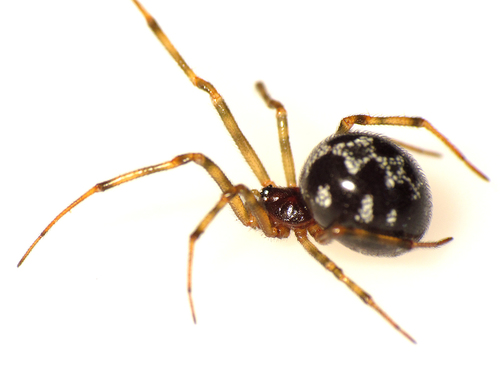
Triangulate Combfoot
Steatoda triangulosa
89 obs
Adults continue to be active and visible, with newly matured spiders establishing territories. Late fall brings egg-laying activity before winter dormancy.

Coras
Coras
87 obs
Amphibians
21 species · 1,551 observations
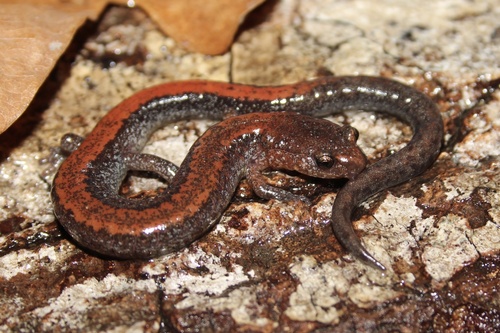
Eastern Red-backed Salamander
Plethodon cinereus
637 obs
Commonly encountered during leaf-turning season as they prepare for winter, often found clustered together under large logs or in rock crevices.
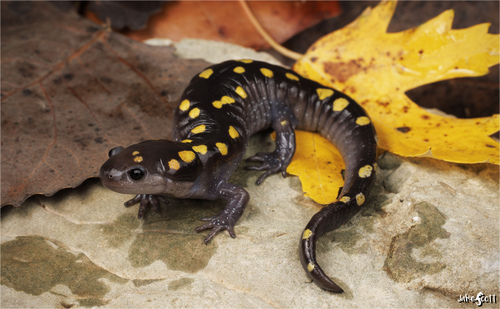
Spotted Salamander
Ambystoma maculatum
158 obs
Adults remain mostly hidden underground, though you might find them under logs during mild, wet weather as they prepare for winter dormancy.
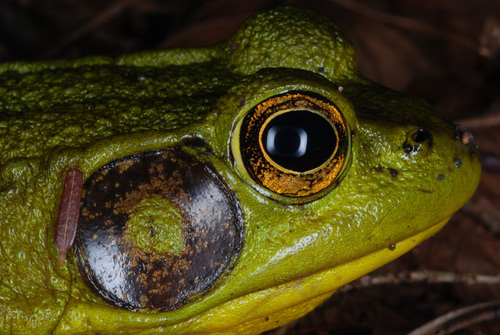
Green Frog
Lithobates clamitans
122 obs
Activity gradually decreases as temperatures drop, but you can still find them on warm days. They begin moving to deeper water for winter preparation.
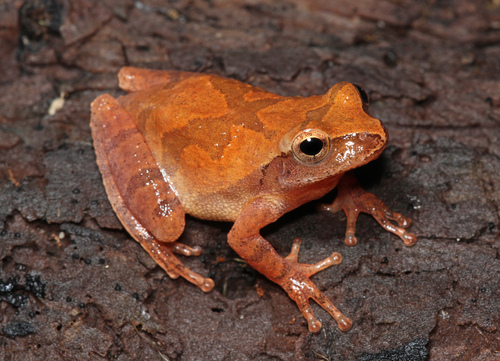
Spring Peeper
Pseudacris crucifer
101 obs
Preparing for winter by seeking shelter under logs, bark, and leaf litter. Calling may resume briefly during warm spells but much less intense than spring.
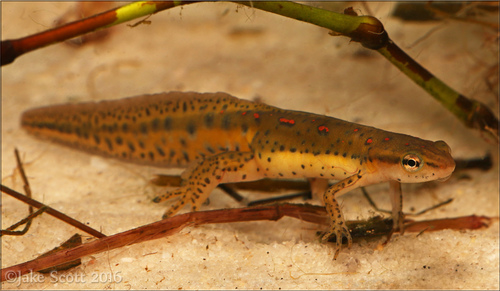
Eastern Newt
Notophthalmus viridescens
100 obs
Adults prepare for winter by moving to deeper water. Young efts continue their land phase, often found under logs and rocks.
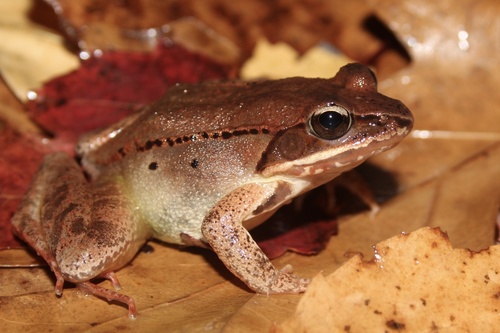
Wood Frog
Lithobates sylvaticus
77 obs
Adults are actively feeding to prepare for winter, still found in forest habitat. They begin seeking out hibernation sites under logs, leaf litter, or in the soil.
Reptiles
30 species · 917 observations
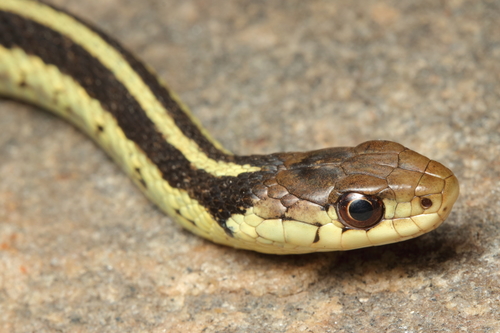
Common Garter Snake
Thamnophis sirtalis
370 obs
Still active but increasingly focused on feeding heavily before winter, making them bolder about hunting in open areas. Young snakes born in late summer are now pencil-thin miniatures of adults, pe...
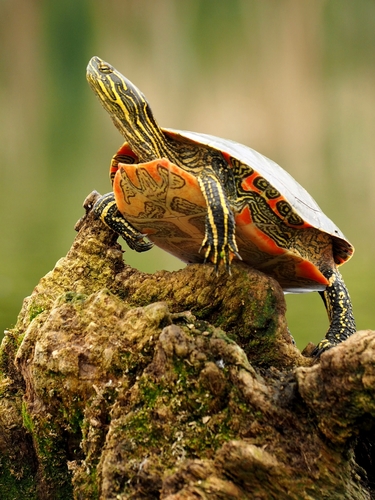
Painted Turtle
Chrysemys picta
174 obs
Turtles remain active on warm days but begin preparing for winter, spending more time feeding and less time basking as temperatures cool.
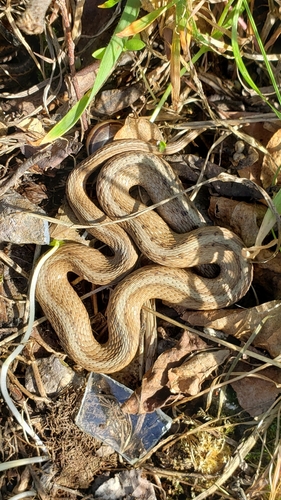
DeKay's Brownsnake
Storeria dekayi
72 obs
Continues feeding heavily before winter, often concentrated around compost piles and leaf litter where earthworms are abundant. Still active on warm October afternoons.
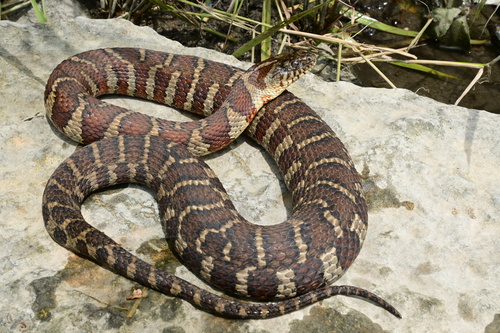
Common Watersnake
Nerodia sipedon
50 obs
Increase basking behavior to build up energy reserves before winter. Young snakes born in late summer are now more visible as they hunt actively before their first winter.
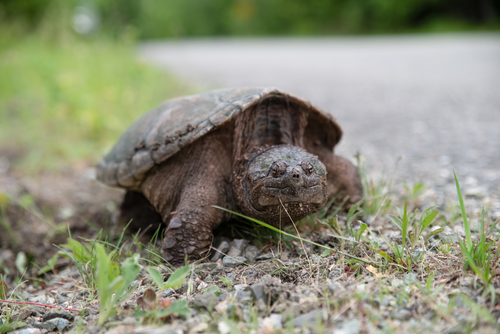
Common Snapping Turtle
Chelydra serpentina
45 obs
Still active but beginning to slow down as temperatures drop. They start moving toward deeper water areas where they'll spend the winter.
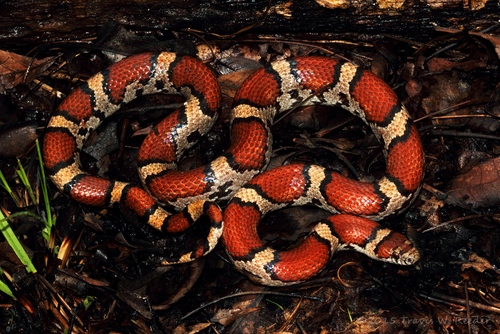
Eastern Milksnake
Lampropeltis triangulum
43 obs
Breeding season occurs in late summer/early fall, making them slightly more visible as they search for mates. They begin seeking winter shelter in October as temperatures drop.
Fish
30 species · 439 observations

Common Mola
Mola mola
49 obs
Still present in warmer offshore waters, though they may begin moving toward warmer southern waters as temperatures drop.
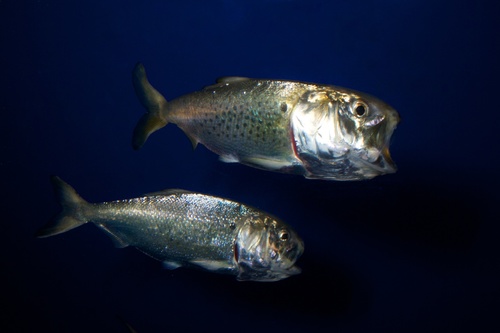
Atlantic Menhaden
Brevoortia tyrannus
27 obs
Schools begin their southern migration, often hugging the coastline closely. This is when beach-walkers are most likely to encounter schools in shallow water.
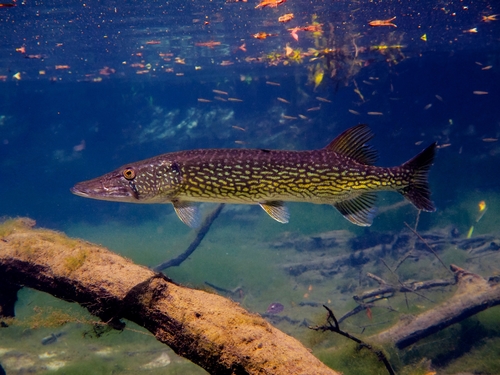
Chain Pickerel
Esox niger
26 obs
Feed heavily before winter, becoming more aggressive and easier to catch. Colors may appear more vibrant as they bulk up for the cold months ahead.
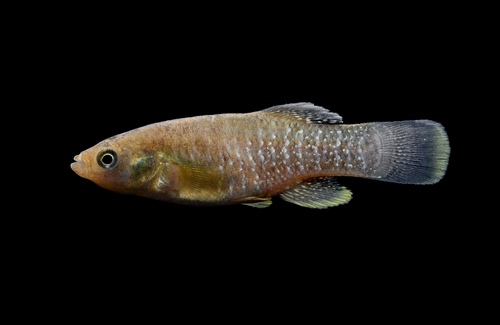
Mummichog
Fundulus heteroclitus
25 obs
Fish begin forming larger schools and may move to slightly deeper waters. Their colors become more subdued as breeding activity decreases.

Tautog
Tautoga onitis
24 obs
Tautog remain active in shallow waters through early fall, but begin moving to deeper offshore areas as water temperatures drop. They may show slightly lighter coloration as they prepare for winter...
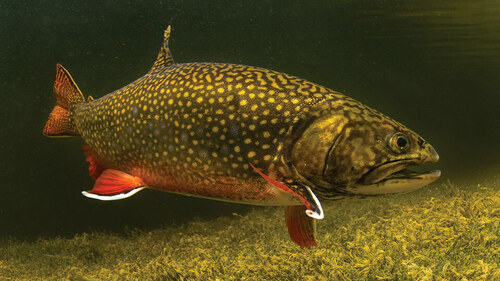
Brook Trout
Salvelinus fontinalis
23 obs
Spawning season brings the most spectacular colors - reds become deeper, whites more brilliant. Males develop hooked jaws and become more territorial.

Myriapods
30 species · 365 observations
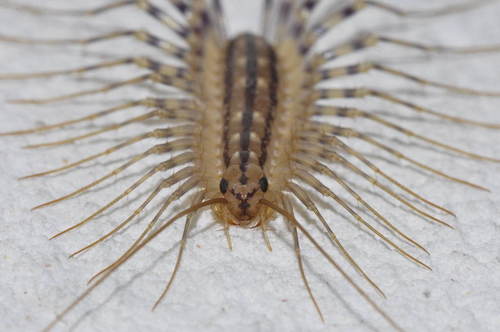
House Centipede
Scutigera coleoptrata
142 obs
Remain active indoors as outdoor temperatures drop, often becoming more noticeable as they move to warmer areas of the house and continue hunting for overwintering insects.
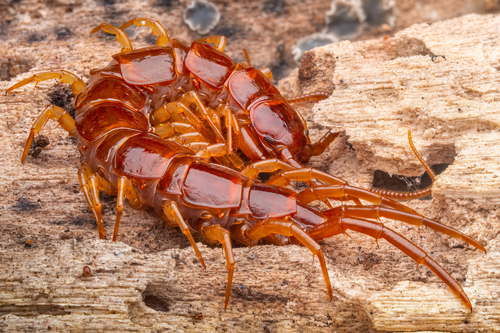
Brown Centipede
Lithobius forficatus
46 obs
Still quite active but beginning to seek deeper shelter for winter. Often found when cleaning up garden beds or moving firewood.
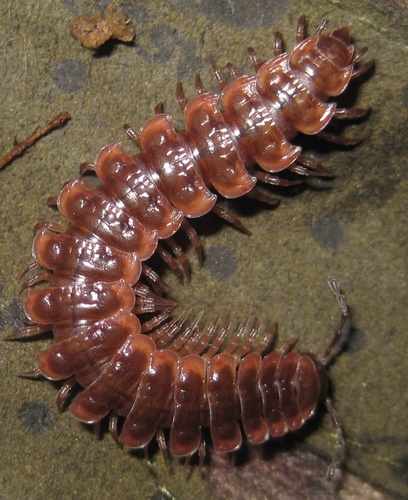
Common Pink Flat-back
Pseudopolydesmus serratus
27 obs
Very active as they feed on freshly fallen leaves. Often found in deeper leaf litter as they prepare for winter dormancy.

Blunt-tailed Snake Millipede
Cylindroiulus punctatus
26 obs
Very active as they feed on freshly fallen leaves. This is often the best time to observe them as they work through the new leaf litter.

Furry Snake Millipede
Ophyiulus pilosus
18 obs
Very active as they feed heavily on newly fallen leaves. This is often the best season for observation as they're numerous and leaf litter provides ideal habitat.

Common Flat-backed Millipede
Polydesmus angustus
15 obs
Very active as they prepare for winter, often seen moving through fresh leaf fall. This is typically the best time to observe them.

Echinoderms
13 species · 194 observations
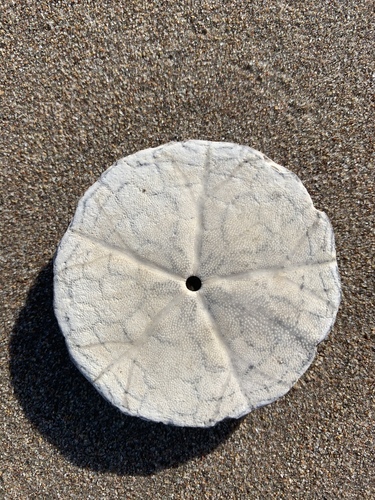
Common Sand Dollar
Echinarachnius parma
50 obs
Storm activity increases the number of shells washing ashore. This is often the best season for collecting well-preserved white specimens as autumn storms churn up the sea floor.
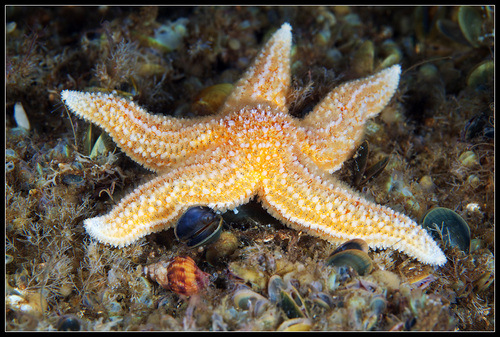
Common Sea Star
Asterias rubens
41 obs
Still active but may move to slightly deeper waters as temperatures drop. Good time to find them on dock pilings and breakwaters.
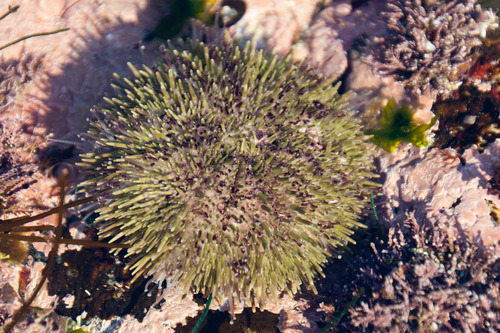
Arctic Green Sea Urchin
Strongylocentrotus droebachiensis
39 obs
Still active but beginning to slow down as waters cool. Good season for tide pooling discoveries as summer crowds thin out.
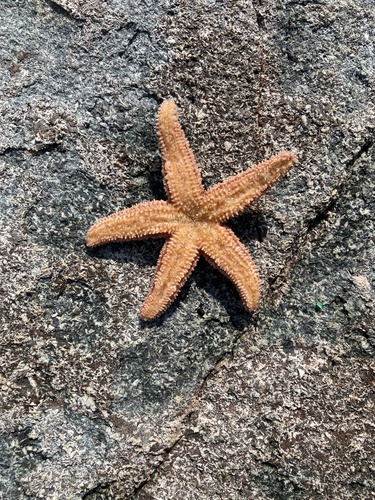
Forbes's Sea Star
Asterias forbesi
33 obs
Still active and visible, often moving to slightly deeper waters as temperatures begin to cool.
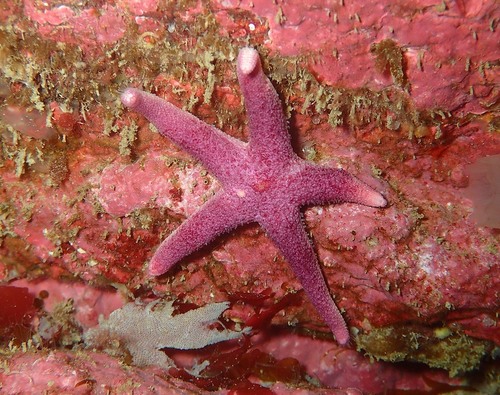
Northern Blood Star
Henricia sanguinolenta
14 obs
Still active but beginning to move to slightly deeper waters. Late fall diving may reveal them on exposed rocky ledges.
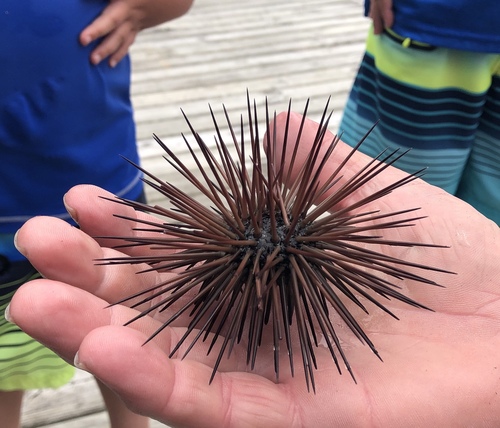
Purple-brown Urchin
Arbacia punctulata
6 obs
Still active but beginning to seek deeper water and more sheltered spots as storms increase.

Cnidarians
26 species · 96 observations
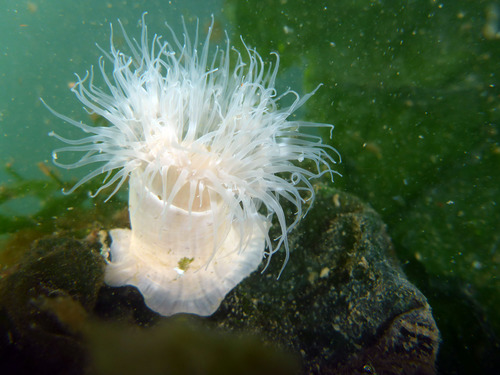
Plumose Anemone
Metridium senile
23 obs
Still active and feeding heavily before winter, though tentacles may contract more frequently as water temperatures drop and storms increase.
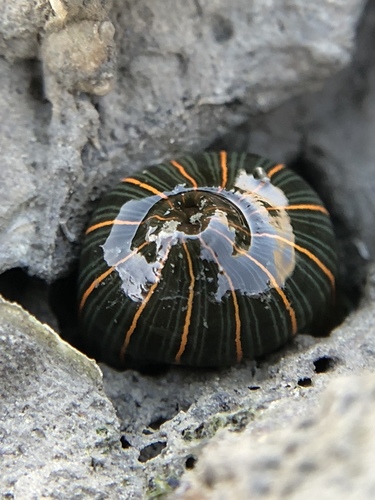
Striped Green Sea Anemone
Diadumene lineata
15 obs
Still active but may be less extended as water temperatures drop. Stripes remain visible even when contracted.

Christmas Anemone
Urticina crassicornis
8 obs
Still active but may be less expanded during the cooler months. Colors remain vibrant and they continue feeding actively before winter.
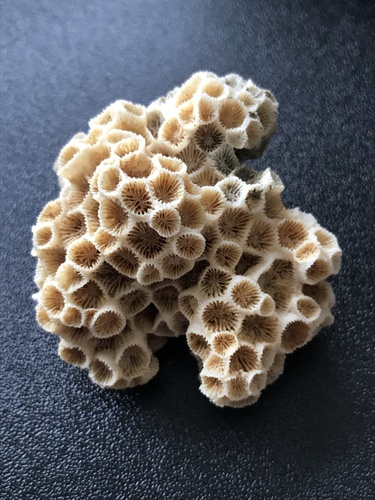
Northern Star Coral
Last chanceAstrangia poculata
7 obs
Still active but beginning to slow down as temperatures drop. Colonies remain clearly visible and identifiable on hard surfaces.
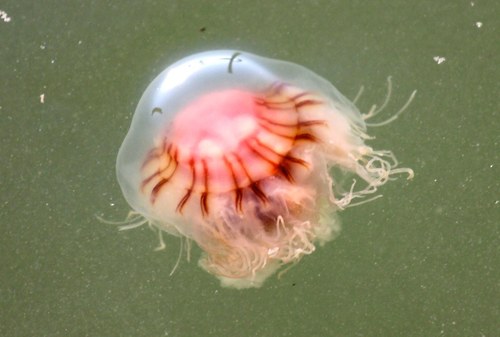
Dwarf Lion's Mane Jelly
Cyanea versicolor
7 obs
Continue to be present in early fall, though numbers typically start declining as water temperatures drop toward winter.

Moon Jellies
Aurelia
4 obs